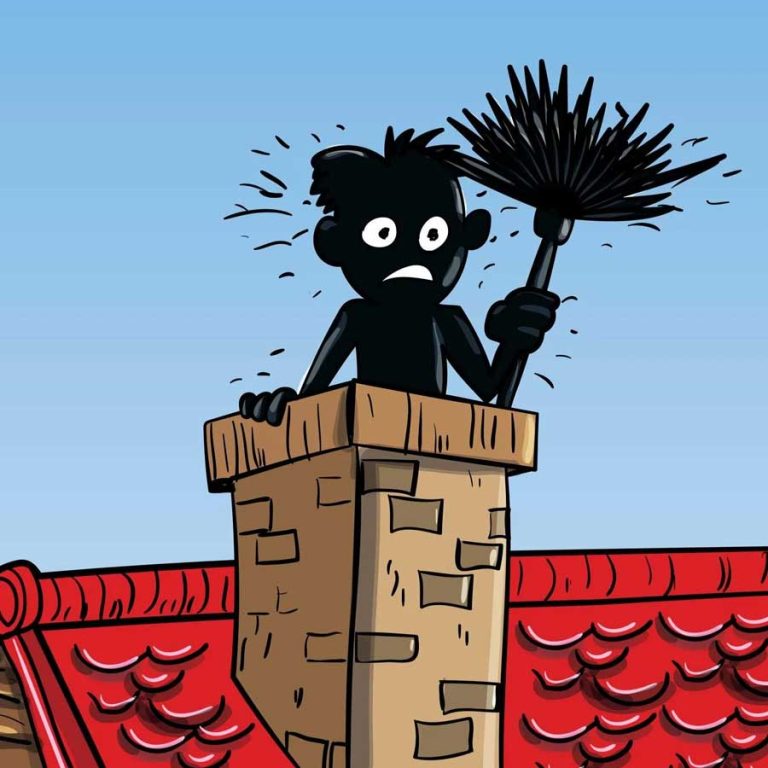
Have you ever encountered a small porcelain figurine of a cheerful chimney sweep, complete with top hat and brushes, and wondered about its significance? Perhaps you have heard that it is lucky to shake hands with a chimney sweep or see one on your wedding day. This is not just a quaint old wives’ tale. The belief that chimney sweeps are bearers of good fortune is a rich tradition steeped in history, danger, and a touch of royal legend. It is a story that connects the soot-covered reality of essential chimney cleaning to our deepest hopes for health, love, and family prosperity.
The Harsh Reality: A Life in the Soot
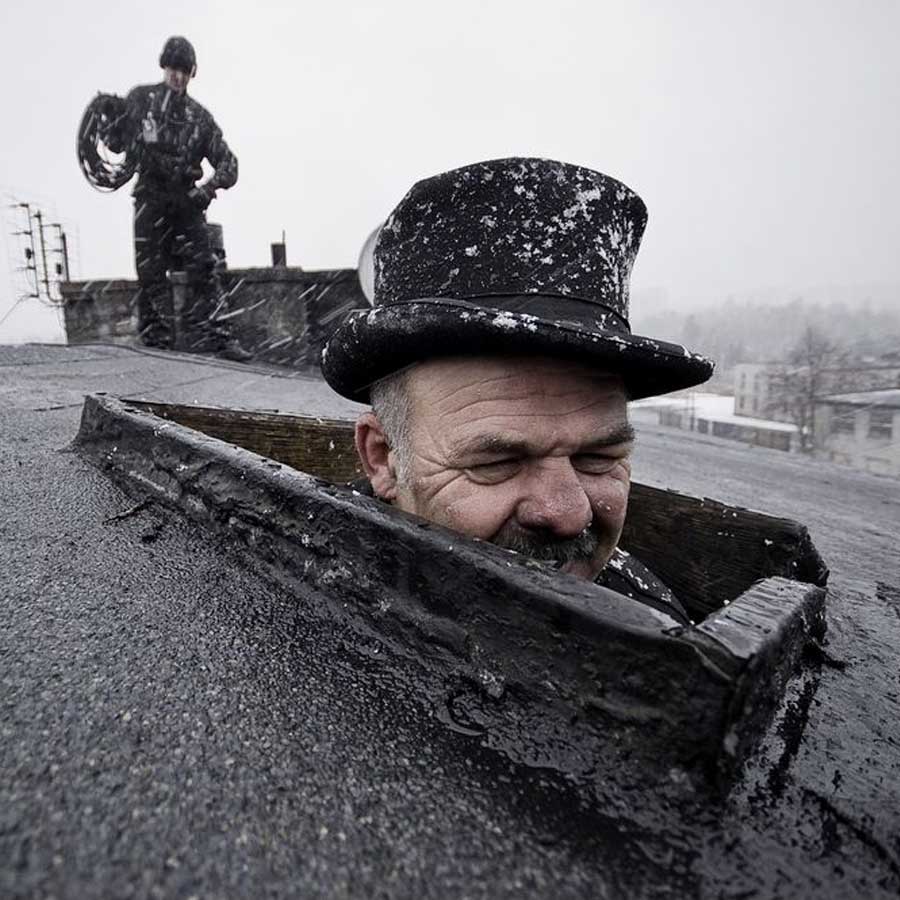
To truly understand why chimney sweeps were deemed lucky, we must first appreciate the immense danger and importance of their work. For centuries, the fireplace was the absolute heart of the home. It provided warmth to fight off the cold, a means to cook food, and a gathering place for the family. A wood heater or coal-fired furnace was not a luxury; it was a necessity for survival. However, this essential source of comfort was also a potential source of catastrophe.
When a chimney became clogged with soot and creosote, the risk of a devastating chimney fire skyrocketed. These fires could rage out of control, reducing entire homes and livelihoods to ash in mere hours. Even more insidious was the threat of carbon monoxide poisoning, an invisible and odorless killer that could silently claim the lives of a sleeping family. The chimney sweep, therefore, was not merely a tradesperson; he was a guardian. His arduous and filthy work of chimney cleaning directly protected the home from annihilation. He ensured the family could safely gather around their fireplace, fostering love and connection. Saving a household from such a grim fate was, without a doubt, a profoundly lucky act.
Imagine the immense relief a family felt watching the sweep depart, knowing their home was safe for another season. That feeling of gratitude and security easily transformed into a perception of the sweep himself as a harbinger of good luck and protection.
A Royal Seal of Approval: The Legend of the King and the Runaway Horse
While the practical origins of the luck association are clear, folklore often needs a good story to cement a tradition. This is where one of the most popular legends comes into play, a tale that involves a king, a runaway horse, and a brave chimney sweep.
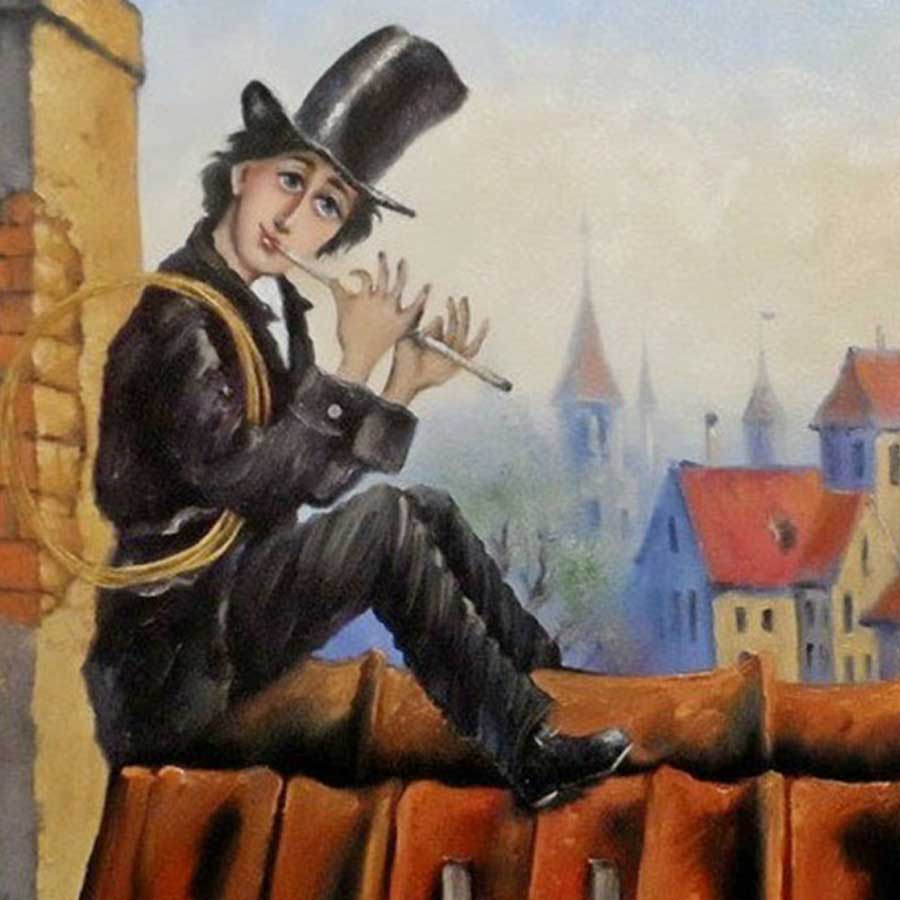
The story varies slightly with each telling, but the core narrative remains consistent. It is said that in the 18th or 19th century, a chimney sweeps in Melbourne was going about his day when he witnessed a dramatic event. A horse-drawn carriage, carrying a monarch (often identified as King George II or III), lost control. The horses bolted in a wild panic, threatening to overturn the carriage and seriously injure or kill the king inside. From the sidelines, a quick-thinking chimney sprinted into action. He managed to leap onto the horses, seize the reins, and bring the terrified animals to a halt, thereby saving the king’s life.
In gratitude, the king immediately declared the chimney sweep and all members of his profession to be bearers of good luck. He invited the soot-covered man to the royal palace, perhaps even to his daughter’s wedding, as a guest of honor. This royal decree, whether entirely factual or a fantastic embellishment, provided a powerful and memorable origin story. It elevated the chimney sweep from a simple laborer to a celebrated hero, forever linking his image to fortune and favor.
The Ultimate Lucky Charm: Chimney Sweeps at Weddings
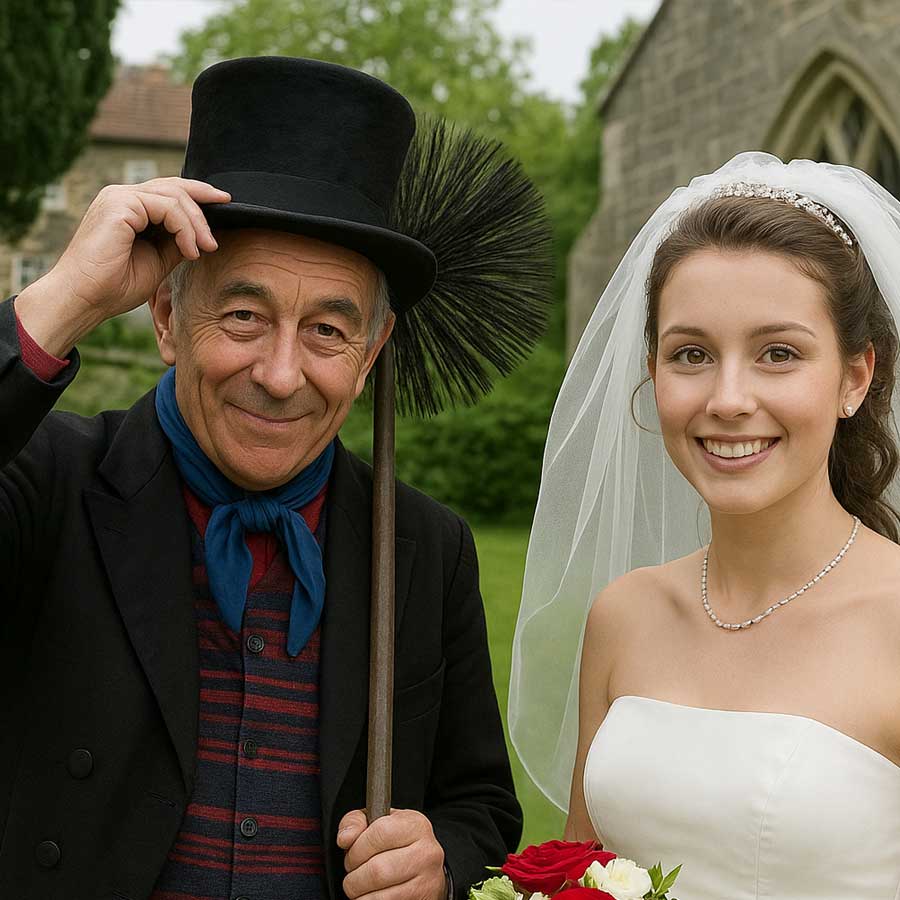
The most enduring and charming manifestation of this superstition is its connection to weddings. To have a chimney sweep present at your marriage ceremony is considered the pinnacle of good luck, a surefire way to guarantee a lifetime of love and happiness. But why would a man covered in black soot be a welcome guest at an event traditionally dominated by pristine white?
The reasons are beautifully symbolic. First, the sweep’s brush, used to clean the dark, confined chimney, is seen as a tool that clears away obstacles and bad energy. Just as it sweeps away the blockages in a flue, it metaphorically sweeps away any hurdles the newly married couple might face, ensuring a clear and smooth path forward in their life together. His work, which involves navigating the dark and emerging into the light, is a perfect metaphor for a marriage that can withstand any trial and always find joy.
Furthermore, the act of chimney cleaning is what allows the hearth fire to burn brightly. The hearth has always been a symbol of the home, love, and family. Therefore, the sweep is the guardian of that sacred flame. Having him at a wedding is an invocation of his protective power, a wish for the new family’s hearth to always be warm, their home to always be safe, and their love to burn brightly forever. Traditions vary from a simple handshake with the sweep to receiving a kiss on the cheek for extra luck, or even having him lead the wedding procession.
From Necessity to Nostalgia: The Modern Lucky Sweep
The profession of chimney sweeping has evolved dramatically. Modern techniques are safer and cleaner, and the understanding of combustion and venting is scientific. We no longer rely on small children to climb flues, and the sight of a soot-covered man with brushes is rare. Yet, the symbol of the chimney sweep as a lucky charm persists with remarkable vitality.
Today, you are far more likely to encounter a ceramic or porcelain figurine of a sweep than the real thing. These ornaments are popular gifts for new homeowners, often placed on a mantelpiece above a gas fireplace or modern wood heater. They serve as a nostalgic nod to tradition, a small token intended to attract protection, positive energy, and family harmony into the home. They are a common sight at weddings in Germany and other parts of Europe, often featured on invitations or as cake toppers.
This enduring legacy shows how a symbol can transcend its original, practical purpose. The chimney sweep has been purified of his soot, not by water, but by time and story. He has become an archetype of luck, a connection to a past where safety was hard-won and gratitude was expressed through superstition. He represents the triumph of safety over danger, of order over chaos, and of light emerging from darkness.
A Final Brushstroke: Embracing the Luck
So, the next time you cozy up next to a crackling fire in your fireplace, take a moment to think about the history behind that warmth. Remember the dangerous, vital work that made it safe for generations of families to gather in love and comfort. And if you happen to see a chimney sweep, whether in person or as a small figurine in a shop, know that you are looking at more than a relic of the past.
You are seeing a guardian, a hero, and a timeless symbol of good fortune. The belief that chimney sweeps are lucky is a beautiful piece of cultural history, a testament to human gratitude, and a charming tradition that continues to bring a smile to faces and perhaps, just perhaps, a little extra luck into our lives. It is a story where soot and salvation meet, creating a legacy of luck that has endured for centuries.